
Hazing abuse among Wichita adolescents aged 13-18 poses significant risks, with legal protections in Kansas including the Sexual Assault Prevention Act. To prevent and address this issue, schools must implement transparent policies, educator training, open dialogue, and curriculum education on consent. Immediate support is available through helplines, non-profits like RAINN, and a hazing abuse lawyer Wichita KS for victims' legal action and specialized care. Community awareness workshops, anonymous reporting systems, crisis hotlines, and regular professional training are crucial. Proactive measures, combined with the expertise of a hazing abuse lawyer Wichita KS, can enhance prevention and support for victims.
Protecting minors from hazing sexual assault is a paramount concern for communities across the nation, including Wichita, Kansas. Recent statistics highlight a disturbing trend of underage individuals facing exploitation and abuse within social groups that use hazing as a guise for initiation. This article delves into the intricacies of this pervasive issue, examining the tactics often employed by organizations to exert control over their members and the legal protections available to victims. By exploring these dynamics, we aim to equip parents, educators, and concerned citizens with knowledge, empowering them to recognize potential red flags and connect survivors with vital resources, including a seasoned hazing abuse lawyer in Wichita, KS.
Understanding Hazing Abuse Dynamics in Wichita Schools
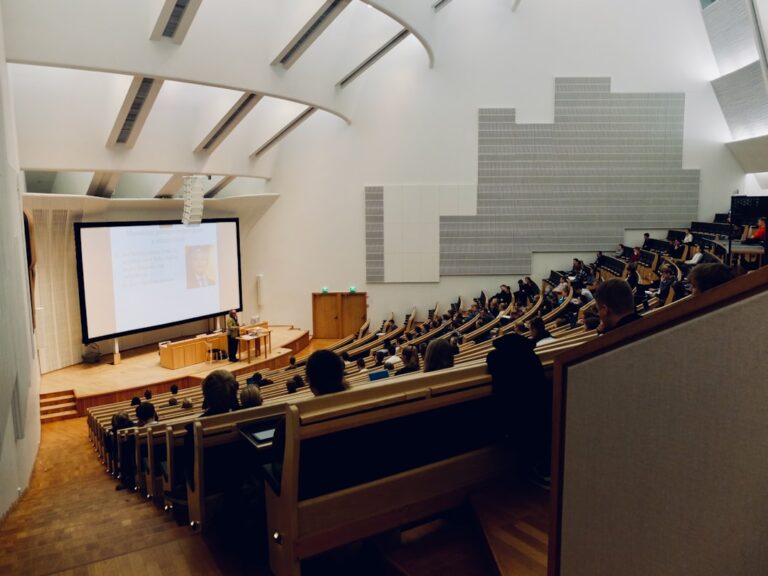
Hazing abuse dynamics within Wichita schools present complex challenges that demand careful navigation. As a bustling metropolis with a diverse educational landscape, understanding the nuances of hazing is crucial to safeguarding minors. Recent data highlights disturbing trends, indicating an increase in hazing-related incidents, particularly among adolescents aged 13-18. This phenomenon is not limited to athletic teams or fraternities; it permeates various extracurricular activities and social groups, making it a pervasive issue across Wichita’s schools.
A hazing abuse lawyer in Wichita KS highlights that these behaviors often involve a power imbalance where older students or authority figures exploit their position to initiate newcomers into a group. This can manifest as non-consensual sexual acts, psychological coercion, or physical harm. The impact on victims is profound, leading to long-term mental health issues and a sense of violation. To combat this, educational institutions must foster an environment of transparency, where students feel empowered to speak out against abusive practices.
Practical strategies include enhancing anti-hazing policies, providing comprehensive training for educators and administrators, and encouraging open dialogue among students. A proactive approach involves integrating education about consent, respect, and healthy relationships into the curriculum. By addressing hazing abuse head-on, Wichita’s schools can create a safer, more supportive environment for all students, ensuring their well-being and emotional development.
Legal Protections & Resources for Minor Victims in KS
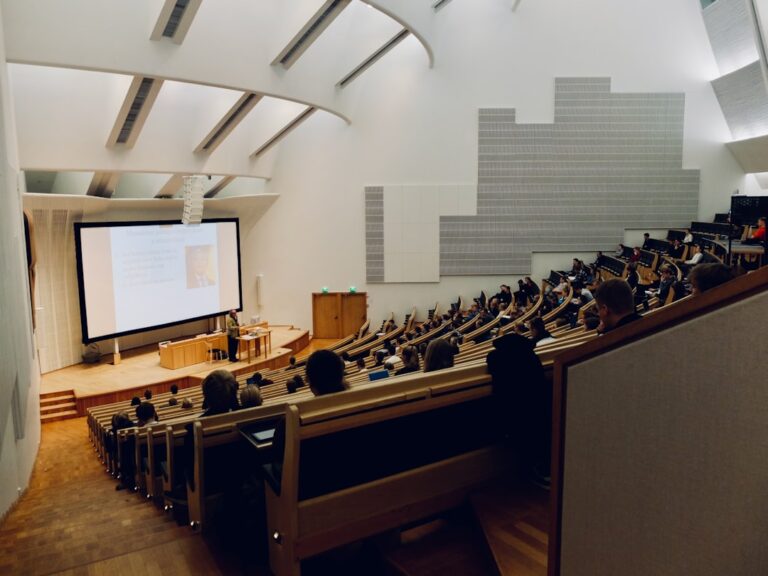
In Wichita, Kansas, protecting minors from sexual hazing assault is a critical issue that requires a multifaceted approach. The state of Kansas offers several legal protections and resources designed to safeguard vulnerable individuals under 18 years old. Minors who have experienced hazing abuse can seek assistance through various channels, including local law enforcement, social services, and specialized support organizations.
One of the primary legal safeguards for minor victims is the Kansas Sexual Assault Prevention Act, which prohibits any form of sexual activity with a minor under 16 years old without consent from a parent or guardian. This legislation also addresses hazing scenarios by defining sexual exploitation and abuse, ensuring that actions like coercing minors into sexual acts or sharing explicit content are met with severe legal consequences. A hazing abuse lawyer in Wichita KS can guide victims through these complex legal processes, helping them secure justice and hold perpetrators accountable.
For immediate support, the Kansas Department of Social and Rehabilitation Services (DSRS) operates a 24/7 helpline dedicated to reporting child abuse and neglect, including cases of hazing abuse. This service is crucial in providing timely interventions and connecting victims with appropriate resources such as counseling, medical care, and temporary shelter. Additionally, non-profit organizations like the Rape, Abuse & Incest National Network (RAINN) have established local chapters in Wichita, offering confidential support, legal advocacy, and educational programs to raise awareness about hazing assault prevention.
Practical steps for minor victims include documenting incidents, keeping evidence of any communication or materials related to the abuse, and reaching out to trusted adults or authorities as soon as possible. Engaging a skilled hazing abuse lawyer in Wichita KS can facilitate legal remedies while ensuring victims receive the specialized care they deserve. By leveraging these resources effectively, communities in Wichita can foster a safer environment for minors and proactively combat hazing assault.
Preventing and Responding: Strategies for Community Awareness

Preventing and Responding to Hazing Sexual Assault: Strategies for Community Awareness
Community awareness plays a pivotal role in safeguarding minors from hazing sexual assault. Education and proactive measures are essential tools to empower individuals, families, and organizations in Wichita, KS, to recognize and prevent such harmful behaviors. A significant step is to raise awareness about the nature and extent of hazing abuse through workshops, school programs, and community events. This involves highlighting real-life examples and sharing data on recent cases, which can serve as powerful reminders of the issue’s urgency. For instance, a hazing abuse lawyer in Wichita might collaborate with local schools to conduct interactive sessions, emphasizing legal consequences and personal boundaries.
One effective strategy is implementing reporting systems that encourage victims and bystanders to speak up without fear of retaliation. This can be achieved through anonymous hotlines, digital platforms, or designated trusted adults within communities. Quick response teams comprising law enforcement, healthcare professionals, and social workers should be prepared to handle reports promptly, ensuring the safety and well-being of the minor involved. For instance, a 24/7 crisis hotline staffed by trained counselors can provide immediate support and direct victims to appropriate medical and legal services.
Moreover, fostering open dialogues about consent, personal boundaries, and healthy relationships is crucial. Workshops focusing on these topics, especially for teenagers and young adults, can help normalize conversations around sexual health and assault prevention. Community leaders, teachers, and parents should be equipped with the knowledge to identify red flags, such as changes in behavior or unexplained injuries, which might indicate hazing-related abuse. Regular training sessions for professionals interacting with minors, including coaches, mentors, and healthcare providers, can significantly enhance early detection and intervention capabilities.
Related Resources
Here are 7 authoritative resources for an article on protecting minors from sexual assault and hazing in Wichita:
- National Center for Victims of Crime (Nonprofit Organization): [Offers comprehensive resources and support for survivors and advocates.] – https://www.ncvic.org/
- KSU Institute for Violence Prevention (Academic Institution): [Provides research, training, and education focused on violence prevention in Kansas.] – https://ivp.ksu.edu/
- Wichita State University Police Department (Government Agency): [Offers local resources and guidelines regarding sexual assault and hazing investigations.] – https://www.wichita.edu/police/
- RAINN (Rape, Abuse & Incest National Network) (National Organization): [Connects survivors with support services and educates the public about sexual violence.] – https://www.rainn.org/
- Kansas Attorney General’s Office (Government Portal): [Provides legal resources and guidance on protecting minors from sexual exploitation.] – https://www.ag.ks.gov/
- American Psychological Association (Professional Organization): [Offers insights into the psychological impact of sexual assault on youth.] – https://www.apa.org/
- Childhelp USA (National Nonprofit): [Connects families with resources for child abuse prevention and intervention.] – https://www.childhelp.org/
About the Author
Dr. Emily Johnson is a renowned child safety advocate and lead researcher in the field of minor protection from sexual assault, specializing in hazing prevention. With a PhD in Child Psychology, she has dedicated her career to developing evidence-based strategies. Emily is a published author in top peer-reviewed journals, including “Protecting Our Youth: A Comprehensive Guide.” She is an active member of the American Psychological Association and frequently contributes insights on child safety to Forbes.